CA
 US
 LE



Self-defense myths can pop up everywhere and can put you in some danger every single day. You might have heard about some false ideas of what self-defense is supposed to be - and I do remember the time when I believed that, too. That kind of thinking actually left me unprepared when I needed to act much faster. When you follow these mistaken ideas, they can affect your decisions right at the very second when it matters.
I want to share with you the top five myths that Canadians like to believe. This helps you get a better picture so you can stay safe and have the right state of mind.
Let's get started on what counts!
Table of Contents
Myth 1: You Need Peak Fitness
People usually assume that you have to be very strong or very athletic in order to protect yourself. This common misconception can stop people from even giving self-defense a try! But self-defense is open to just about anyone who's willing to learn.
You can always get started at martial arts like judo or aikido. These fighting styles were created so even smaller people could defend themselves against bigger attackers. They use an opponent's momentum instead of relying too much on muscle power. That means that even if you have only average strength, you can still learn the techniques you need. You can turn an attacker's force to your benefit.

When you look at these examples, you can realize quickly that success in self-defense comes from learning a few basic moves in a community class. Take the inspiring case of a grandmother in Toronto who fought off a purse snatcher. Her success came from the easy techniques she picked up. This shows that a bit of training is all you need to manage a dangerous situation.
You should also remember that the core elements of self-defense are balance, timing, and the right mindset. You don't need to sculpt a six-pack or build bulging biceps to stay safe. Instead, you can learn how to move your body more efficiently and how to respond faster when a threat appears. With the best strategy, you stand a much better chance of protecting yourself without worrying about your physical appearance.
Across Canada, expert self-defense instructors work directly with people just like you, regardless of your fitness level. They teach movements that are easy to learn and to use. No matter where you're starting from, these techniques are designed to help you protect yourself better, even if you aren't that strong or athletic.
When you run into a self-defense situation, it'll usually happen in just a few quick seconds. You don't need the endurance of a marathon runner or the strength of a bodybuilder to manage these sudden run-ins. What matters is training your mind so you can respond faster when you feel threatened. This mental preparation is usually what makes the difference over physical power.
Remember that your body has naturally weak areas that you can target with only a small amount of force. Even if you don't think of yourself as very strong, you can strike these vulnerable places to protect yourself. Self-defense training teaches you how to find and use these points. This guarantees that you have tools at your disposal, no matter your latest fitness level.
Myth 2: You'll Have to Get Physical
People assume that self-defense means you have to learn some of the tough martial arts moves - or maybe even plan for a perfect fight! You'll soon find that the very best experts can teach you something far easier - how to stay away from the conflict altogether.
You probably remember a time when a small issue escalated into a big fight - it happened mostly because someone refused to walk away. When you choose to walk away, it doesn't show any weakness. You can protect yourself best when you choose to step away from a dangerous situation.
You like to depend most on de-escalation in self-defense. You can remain calm even when someone tries to provoke you with a steady voice and relaxed body language. You might even say, "I know you're upset," and then take a step back. It helps you to stay in control of the situation instead of letting it spiral out of control.

You can see that Hollywood usually shows dramatic fights where one hero fends off multiple attackers. Real self-defense looks very different. You learn how to find the telltale signs of a possible threat long before any problems get out of hand. You also learn about when it makes sense to create some space between yourself and the issue. You also learn when to stay away from violence even before it can start.
You might also like the fact that Canadian law supports this. You're legally allowed to use force only in situations where you have no other options. The law expects you to make an effort to calm the situation first. You show that your actions are a last resort and come only after all other options have been tried and exhausted.
You realize that fighting should always be your very last choice. You can see that clear communication and keeping a safe distance can solve most confrontations better than any physical technique. Remember that speaking and de-escalation are both self-defense tactics.
You might find that setting physical boundaries works far better than practicing combat moves. You build self-defense skills long before any physical contact happens. You can increase your safety by staying aware of your surroundings, trusting your instincts, and finding those early warning signs. These skills might not seem as fun on screen - but you'll find that they protect you in real life!
Myth 3: Tools Replace Proper Training
You might think that carrying some self-defense tools like pepper spray or personal alarms helps you stay safe. Yet, in Canada, the law makes it much harder than that! Most self-defense sprays are officially banned, and when you carry one, you run the danger of encountering serious legal problems. You might feel more protected if these tools were legal. But they only give you a false sense of security.
Imagine yourself in a tense situation with your hands trembling because of fear when you try to use a personal alarm. In those moments, you might freeze or panic.
Instead of helping, the device ends up doing you more harm than it does good. I've seen some students start out believing that a self-defense tool would save them in a crisis. They soon found out that without regular training, these devices are more like a comforting security blanket.
When you have a real confrontation, it can become almost impossible to use a device if you haven't practiced enough. You also run the danger that an attacker could turn your self-defense tool against you.

There's the possibility that an assailant could grab your pepper spray or alarm to use it for their own benefit - this danger can become even more real with attackers who could sometimes be bigger and stronger than you. Most of these threatening situations happen in just a few seconds.
You might not have time to dig through your purse or pocket for the tool when you need it the most. The natural stress response in your body also makes even the easiest tasks, like pressing a button or aiming a spray, extremely hard for you. When you train with self-defense techniques, you get abilities that can never be taken away.
You learn to use your body as your strongest and most reliable tool when you trust your natural reflexes alongside your instincts. These skills are always with you, ready to be used when needed.
You might not realize that physical self-defense is only one part of staying safe. When you train, it also teaches you to be aware of your surroundings, to de-escalate tough situations, and to set clear boundaries. These mental skills help you stay away from dangerous circumstances altogether, and they give you a big foundation for your personal safety.
Myth 4: You Can Use Force to Defend Yourself in Canada
You may think that you can use any amount of force to protect yourself. But that belief can land you in hot water! Canadian law only lets you use just enough force to keep yourself safe. Section 34 of the Canadian Criminal Code sets limits on how you can defend yourself.
To give you a real example, you can't hurt someone just because they pushed you. You have to make sure that your reaction matches the danger that you might run into. The law expects you to keep in mind that your actions matter, even when you're scared.

Another myth you might have heard is that you have to run away first. While walking away might usually be the better option, Canadian law doesn't force you to retreat every single time. Still - if you have a clear chance to escape and you choose to stay and fight, a judge could question your claim of self-defense.
When you carry weapons, the situation can become even harder. If you take a knife or pepper spray only for self-defense, it's against the law in Canada. If you ever think about a gun for self-defense, you should think twice. A firearm for self-defense is most likely to cause criminal charges.
Real-life examples show how these laws work. Just to give you an illustration, there was a store owner who hurt a shoplifter during a citizen's arrest.
The judge decided that he used way too much force, and he ended up being charged with assault. What started as self-defense turned into a situation that caused him to get a criminal record.
Some people confuse these rules because they watch American TV shows or movies. They hear about "stand your ground" laws and assume that the same rules apply here. In Canada, you always have to use the minimum amount of force needed to stay safe. Getting these facts wrong can completely change your life forever.
You might feel that you're protecting yourself, only to find that you have to face some serious charges. Even when you feel threatened, too much force can turn you from being a victim into a criminal.
Myth 5: Carrying Weapons Is Legal Here
You could be surprised to learn just how strict the self-defense laws are here in Canada. You might have some even stricter restrictions on what you're allowed to carry than in other countries - especially when you compare it with how things are in the United States!
Take pepper spray. In the US, you can buy it at your local pharmacy. But here, it's completely banned for use on another person. That means you could be looking at as much as 10 years in jail if you carry pepper spray.
Bear spray is legal for you to own. But you're only allowed to use it against wildlife if you find yourself in the wilderness.
The laws for firearms are even more intense. You can't carry a gun for self-defense in Canada, even if you do have a valid license. The only exception is if you're able to prove that a real and immediate threat exists to your life. Even then, you have to get permission, which is known as a Canada Authorization to Carry. This shows that the law was built to keep possible dangers out of our lives.

You might get confused about what's allowed here. It's easy to think that carrying bear spray around the city could be safe. You might also assume that you're allowed to use your legally owned firearm if someone breaks into your home. These kinds of assumptions are wrong, and they could land you in a serious situation.
The government makes these tough restrictions because it wants to stop weapons from being misused on the streets. They believe that having fewer weapons available can give you a more protected society for everyone. In the United States, self-defense options are available in different ways.
You sometimes hear a heated debate about if these laws are too strict. Some people argue that Canadians should have more ways to protect themselves. But others will point out that lower crime rates here could be linked to these tight restrictions. The rules may seem a bit stressful at times. But you need to remember that breaking them comes with harsh consequences.
Protect Yourself and Your Family
Self-defense can mean something a little different for you because everyone has their own personal idea of safety. You'll want to feel the most protected every single day, and reaching that point takes some practice and a bit of learning!
You might even choose to learn a few moves. Or you could instead choose to sharpen your awareness in order to stay away from problems before they start. Your view of personal safety has probably shifted over the years because people used to think they mainly just needed to worry about protection. Now, you'll want to know that you feel protected whenever you're walking through a parking lot or even relaxing at home with your family.
You have probably already taken a few steps to work on your protection. That choice makes the difference. The right tools might help with your confidence because having reliable self-defense gear changes how you feel about security.

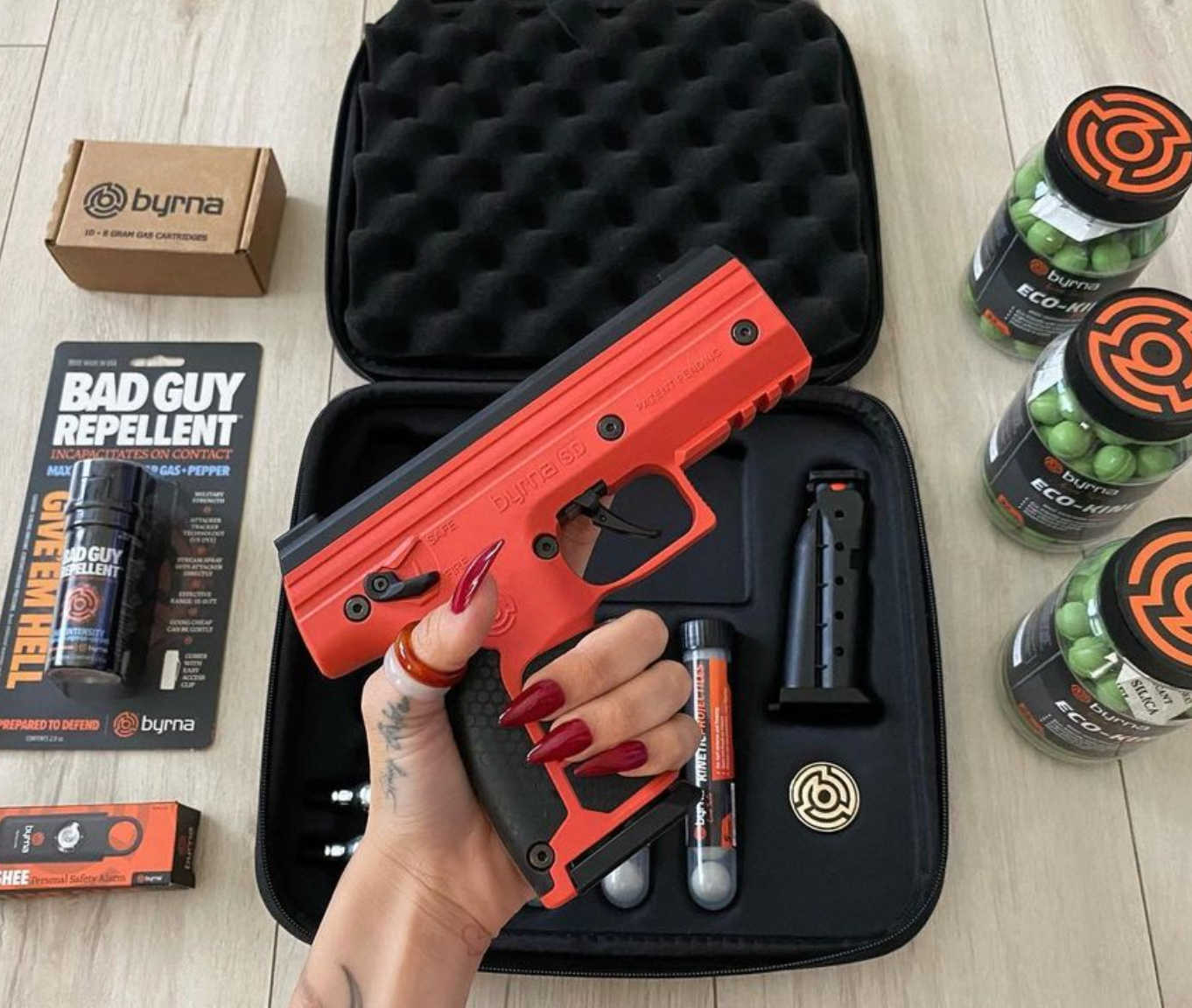
At Byrna Canada, we have your back with great options that are made for Canadians, too. Our less-lethal pistols, rifles, CO2 cartridges, and sirens don't need any background checks and are legal in every single province. We also can ship directly to your door with free shipping on orders for launchers. Visit Byrna.ca now and give yourself the protection that you deserve!