CA
CA US
US LE
LE
When Self-Defense Leads to Legal Consequences: Why Less-Lethal Options Matter
Self-defense situations are often chaotic, fast-moving, and difficult to assess in real time. Even when an individual is clearly responding to an immediate threat, the legal aftermath can become complex and life-altering. A recent incident in Massachusetts highlights how quickly a victim can become entangled in the legal system after using deadly force.
During a public demonstration in Newton, a man was reportedly attacked by another individual who charged from across the street and initiated a physical assault. As the situation escalated and attempts to intervene failed, the victim discharged a legally carried firearm, striking the attacker. Although the attacker survived, the individual who fired the weapon was later arrested and charged with multiple offenses.
Cases like this underscore a critical reality: the use of lethal force, even in self-defense, can result in serious legal scrutiny. Investigations, potential charges, and lengthy court proceedings can follow, regardless of the circumstances leading up to the incident.
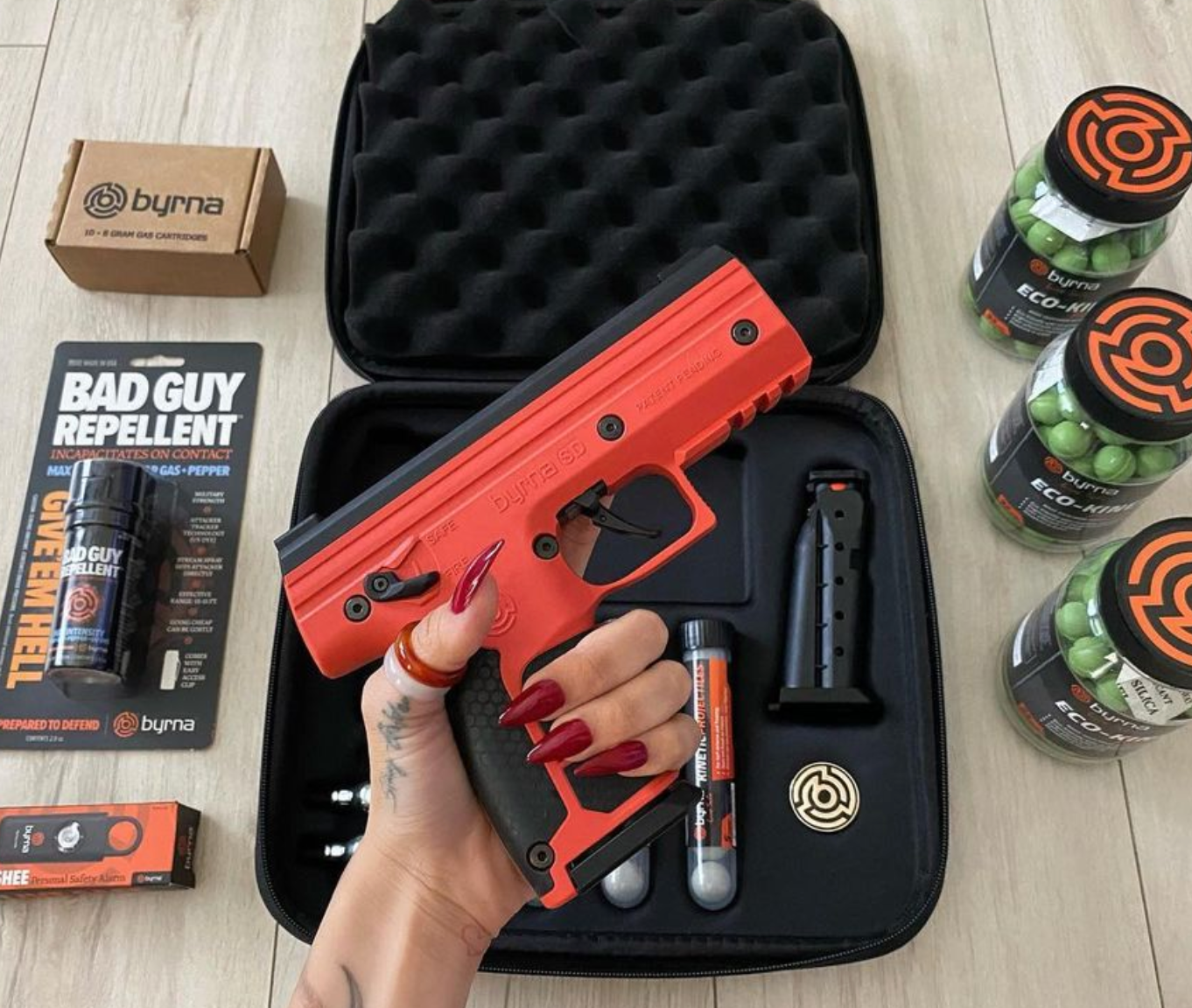
Because of these risks, many individuals are exploring less-lethal self-defense alternatives as a way to respond to threats while reducing the likelihood of fatal outcomes. Tools such as the Byrna Launcher are designed to incapacitate or deter an attacker without causing permanent harm.
Less-lethal devices offer several key advantages in situations like this. They can often be deployed earlier in an encounter, helping to stop a threat before it escalates into a life-or-death scenario. Additionally, many of these tools are effective at close range, allowing individuals to respond even if an attacker has already closed the distance.
Another important benefit is the potential reduction in legal risk. While any use of force can be reviewed by authorities, less-lethal options may help avoid the severe consequences often associated with firearm use.
Ultimately, self-defense is not just about stopping a threat—it is also about what happens afterward. Having access to alternative tools and understanding how to use them responsibly can help individuals protect themselves while minimizing long-term legal and personal consequences.