CA
 US
 LE



You can take control when it comes to defending yourself and your property under Canadian law. You just need to learn about your rights. So, let's clear that up now!
The rules around self-defense make sense once you break them down into simple terms. You probably want to know how far you can go to protect yourself, your family, and your belongings. There's also lots of confusion about using force in dangerous situations.
We'll look at the parts of self-defense law that affect your daily life, from dealing with intruders to standing your ground in violent confrontations. You'll learn about the legal actions available to help keep yourself safe.
Table of Contents
Reasonable Force Allowed
You need to defend yourself in ways that match how serious the actual threat is. The Canadian courts will expect you to use only enough force to manage the danger. You can't turn a fistfight into something worse by grabbing a weapon!
These things will help decide if your self-defense claim holds up in court. Your and your attacker's physical differences make a difference - like how big and strong each of you are. The judge will want to know if you had no other choice but to fight back. They'll also look at if the actual threat was serious enough to justify how you responded.
When you're caught up in a dangerous situation, fear and panic can get in the way. The courts will compare what you did to what any reasonable person would do in that frightening situation. Most times, you'll need to think fast and act even faster to keep yourself safe.
Past run-ins with your attacker matter (especially in domestic abuse cases). If someone has threatened or hurt you before, you might need to defend yourself more strongly. You already know what they're capable of doing to you.

Take Angelique Lavallee's case as an example. She had endured horrible abuse from her partner for years. When she finally shot him, she did it because she was terrified he would beat her severely again. The court ended up taking her side because they recognized her fear came from all those years of enduring his violence.
You should always match how you defend yourself to the type of attack you face. When someone lightly shoves you at the bar, pushing back might make sense. But pulling out any kind of weapon would be going way too far. You just need enough force to stay safe - nothing more than that.
The timing of your defense plays a big role, too. You can only claim self-defense while someone is actively threatening you. The second you start chasing after someone who threatened you earlier, you're not defending yourself anymore. You're looking for revenge.
Your options for escaping from danger matter, too. Whenever you can, running away or yelling for help should be your first move. Physical force should only be your last option when you have no other way to stay safe.
Defense of Property Laws
Your right to protect property in Canada comes with some boundaries and rules that you need to follow. You or someone helping you has to believe that another person is interfering with your legal property rights.
The law says that you can use reasonable force to manage trespassers or stop someone from damaging your belongings. That means you're allowed to physically remove people from your property and take back items that belong to you, too! Just remember that your response needs to match what's actually happening.
Many people don't realize this - Canadian law won't let you use deadly force to protect your possessions. You can only resort to that level of force when you honestly think your life is in danger. The courts will look at if your actions lined up with the actual threat.

When someone tries to steal your items right in front of you, you can take physical action. You can push them away or try to grab your belongings back. But pulling out weapons or trying to hurt them crosses the line. In these situations, you get more room to defend yourself since your life might actually be in danger.
Canadian judges and courts want to see that your response was reasonable based on what was happening at the time. Getting aggressive with someone stealing your garden gnomes probably won't fly in court! Yet taking serious defensive action against someone violently breaking into your home at night would probably be seen as justified. No questions asked!
Remember this - you can't claim defense of property rights when the other person legally owns or has rights to the item. This situation often appears during family disputes or when someone reclaims their own property. The law won't support your actions if you're trying to hang onto something that isn't actually yours.
Use of Lethal Force
You can now protect yourself with deadly force in Canada, but the rules might not be what you expect. For a valid self-defense claim, you'll need good proof that your life was in danger. The threat of death or serious harm has to be real and immediate before you can take extreme action.
A few things will shape how the courts view your case. Your available escape routes and alternative options affect the final choice. Physical size differences between you and your attacker matter, too, along with any weapons involved.
The level of force you use has to match the actual threat you face. Being pushed or punched doesn't give you the green light to shoot someone. You should always try to run away or call for help first. These options are usually available to you.
A recent Canada Supreme Court ruling from 2021 has added clarity about lethal force. Your state of mind during the incident will affect how courts look at your actions. The force you used needs to line up with the real and immediate danger you experienced.
Here's some encouraging news - the courts understand that you won't think clearly in life-or-death situations. Your genuine belief about facing deadly danger does carry weight in court.

The Canada Criminal Code now gives us clearer guidance on self-defense claims. Courts look at facts like your relationship with the attacker. Your role in starting the fight matters, too. Any history of violence between you and the attacker will affect the final outcome.
Your emotional state during the incident can affect how judges view your case, too. The courts will check if you had other options besides force. They'll look at facts like size differences between people involved and if anyone brought weapons. Even when you're scared for your life, too much force can land you in trouble.
When you go overboard with self-defense, it can completely turn your life around! Instead of being seen as the victim, you might face criminal charges like assault or worse. Previous court cases show judges come down hard on people who take self-defense too far. You could be the one ending up behind bars.
Self-defense laws are out there to protect you, not to help you teach attackers a lesson or seek revenge. The second your attacker backs off, or the threat goes away, you need to stop fighting back. If you keep going after that point, you become the attacker in the eyes of the law. You cross into illegal territory.
Your self-defense argument probably won't work in court if you bring weapons into a fistfight. The same goes for attacking someone who's already down and not fighting. Once you see an opportunity to escape, you should take it instantly. The courts won't accept claims about wanting to make sure your attacker won't return.
Revenge as Illegal Motive
You worry about immediate threats every day. The law lets you protect yourself in these tough situations. You should learn about when self-defense can become legal protection and when it turns into something else.
The courts will look at your reasons for force against another person. You need to show a real fear for your safety right then. Your level of force also needs to match up with the actual threat you faced.
The R. v. Lindsay case makes this point clear. The defendant started out just trying to stay safe from an attack. But things quickly went south when he kept fighting long after all danger had passed. Because he crossed that line from protection to payback, the court found him guilty.
Your state of mind at that moment matters quite a bit in how courts will look at what you did. Real fear for your life looks different from pure rage or anger. When you're scared out of your mind, you might hurt someone. The courts understand that, too.

Having drinks in your system can get in the way of your judgment during dangerous situations. Don't think being drunk will give you a free pass in court. You might face serious charges if alcohol makes you imagine threats that weren't there.
Proving self-defense in court means backing up your story with good evidence. You need to show why you felt threatened and had no choice but to act.
You might still have the right to defend yourself even if you started the fight. The law could still be on your side. But first, you need to show that you completely stopped being the aggressor.
There's a clear difference between protecting yourself and getting even with someone. Self-defense is about keeping yourself safe in the moment. Revenge means trying to make someone pay for past actions.
Always stop once you're out of harm's way. Keep going past that point, and you're not defending yourself anymore. You've switched sides and become the one breaking the law instead.
Provocation and Self-Defense
You can lose your right to claim self-defense once you start issues with someone else. The courts will see through your excuses about protecting yourself after you started things. Your position in the law changes when you become the one picking fights.
Here's what happens in some common self-defense situations. Your case falls flat when you put yourself in harm's way or look for confrontations. When you walk into a bar ready to start something, it won't help you in court. Words alone don't give you permission to get physical. You'll need to prove you had a real and immediate danger before using force.
The courts will look at every detail of what happened in your case. You have to show that you believed you were in serious danger at that exact second. Your threat needs to be immediate and extreme enough to justify defending yourself. You can only respond with enough force to protect yourself from harm.

Let's take a look at some real examples. You can't start throwing punches during an argument and then try to claim self-defense later. First off, you need to try to get away safely. Even after trying to escape, you can only fight back if you think you're still in danger.
The law sees provocation and self-defense as two different matters. When you provoke someone, it might reduce your murder charge to manslaughter in cases. But that's nothing like defending yourself from an attack. Self-defense means protecting yourself from danger. Provocation just shows you lost your cool because someone made you mad.
Canadian courts take a strict view on what counts as legal provocation. The other person has to do something that would be considered a serious crime. Their actions need to be extreme enough to make any reasonable person snap, too. You also need to respond instantly while you're still caught up in that second.
Protect Yourself and Your Family
A good self-defense plan can help keep you and your family safe without breaking any laws. You'll want to know what steps you can take to protect yourself and stay within legal limits. The next time you feel threatened, you'll be able to act with confidence and speed. You have already learned what's allowed.
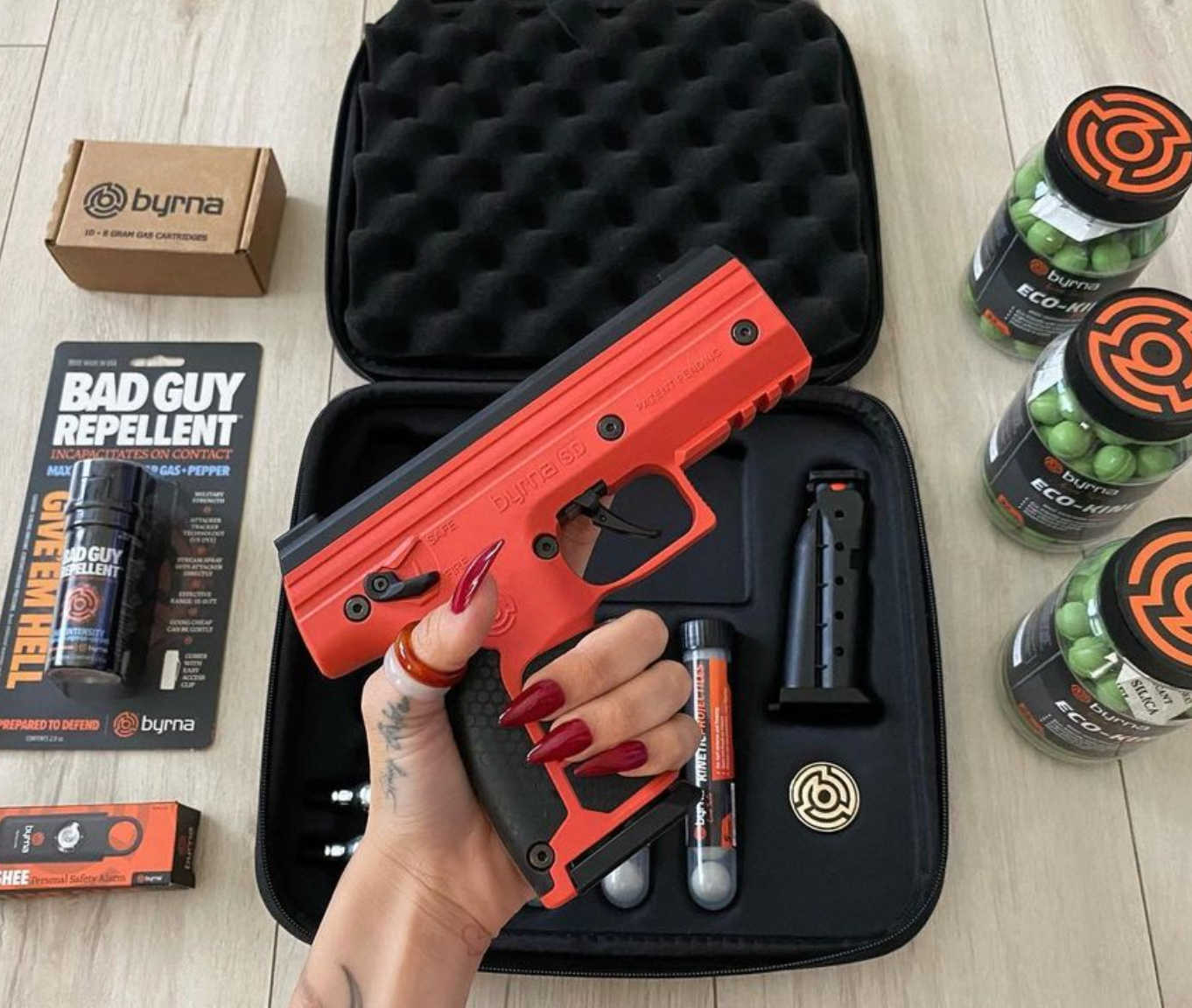
Less-lethal defense tools deliver better protection without the issue of gun laws and paperwork. You can get Byrna Technologies' self-defense products (that's us!) delivered right to your door. No permits needed and no background checks - you're ready to go!

At Byrna, we provide everything you need for personal security. You'll find easy-to-use and reliable pistols and rifles, along with pepper sprays and armored backpacks. Plus, your Byrna device can spring into action faster thanks to an easy CO2 system that anyone can manage.
Taking your Byrna gear on trips is usually no problem at all. Just remember to put those CO2 cartridges in your checked bags. Want to study proven ways to protect yourself? Real customers trust these dependable defense tools, too. Just check out all of our five-star reviews! Pop over to Byrna.ca and look through our products.